


Apple has finally entered the foldable-phone market, but its biggest challenge may not be the technology it may be the price.
The new iPhone Duo, priced at 15,999 yuan ($2,230) in China, is arriving in a market where consumers have already had years to experience foldable phones from Huawei, Xiaomi, Samsung, Oppo and Vivo.
That gives Apple a difficult task: convince buyers to pay a premium for its first-generation foldable when established Chinese competitors are already offering alternatives at significantly lower prices.
The Story
Apple’s first foldable iPhone is facing a cautious reception in China, with early reactions on social media focusing heavily on its price and how it compares with competing foldables from Chinese manufacturers.
Apple unveiled the iPhone Duo at its September event, marking the company’s entry into the book-style foldable smartphone market.
In China, the device will cost 15,999 yuan, equivalent to roughly $2,230.
For some Chinese consumers, that price is proving difficult to justify.
One WeChat user reportedly said they would rather wait for Apple’s second-generation foldable next year instead of buying the first model.
Another commenter highlighted the difference in purchasing power between U.S. and Chinese consumers, questioning why the device should cost such a significant portion of an average Chinese monthly income.
Apple enters an established foldable market
Apple’s challenge is particularly significant in China because foldable smartphones are already an established product category.
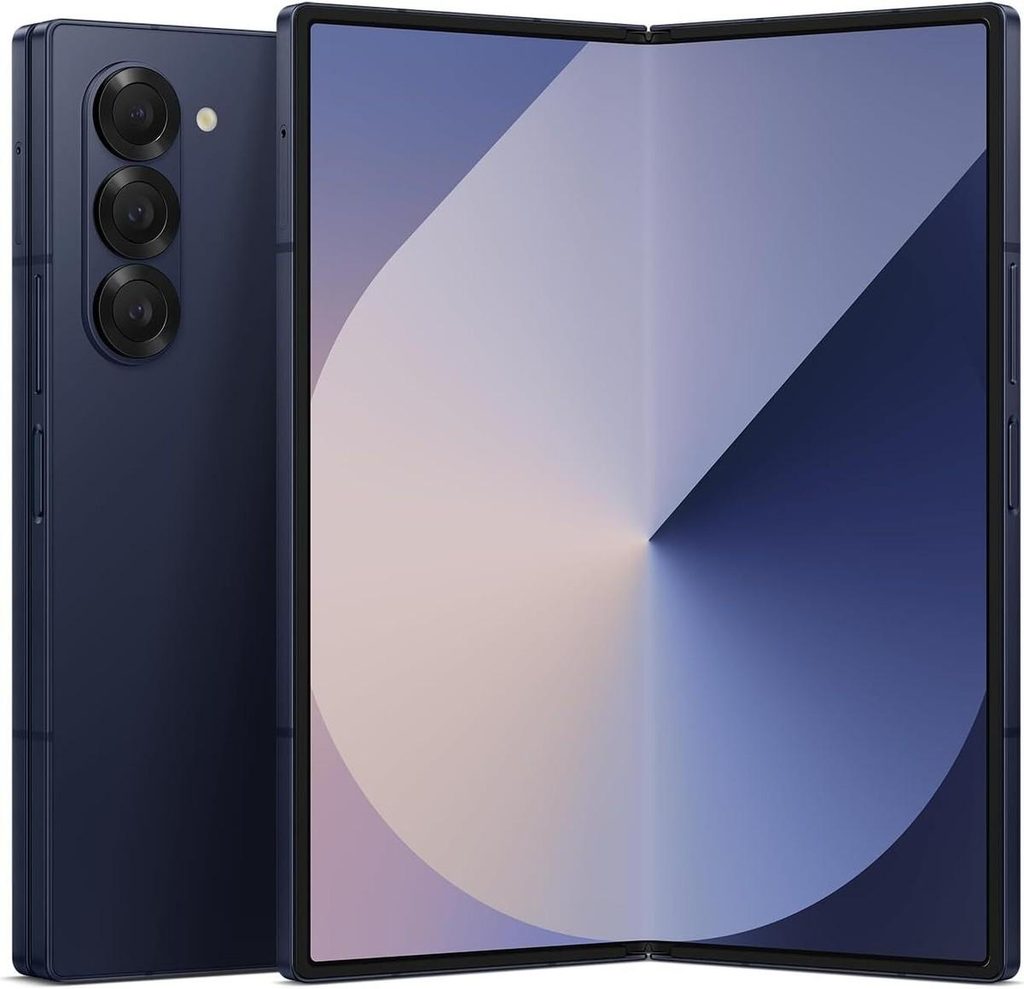
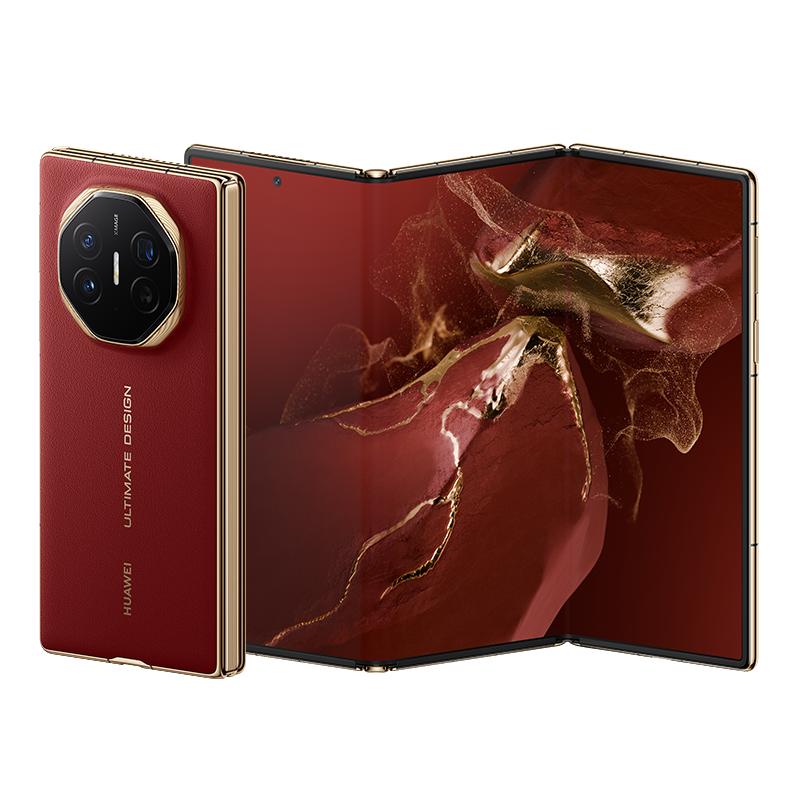
Huawei, Xiaomi, Honor, Oppo and Vivo have been developing and selling foldable devices for years. Huawei has also pushed the category further with its trifold smartphones.
That means Apple is not introducing foldable phones to Chinese consumers for the first time. Instead, it is entering a market where customers already have plenty of alternatives.
The timing is also important.
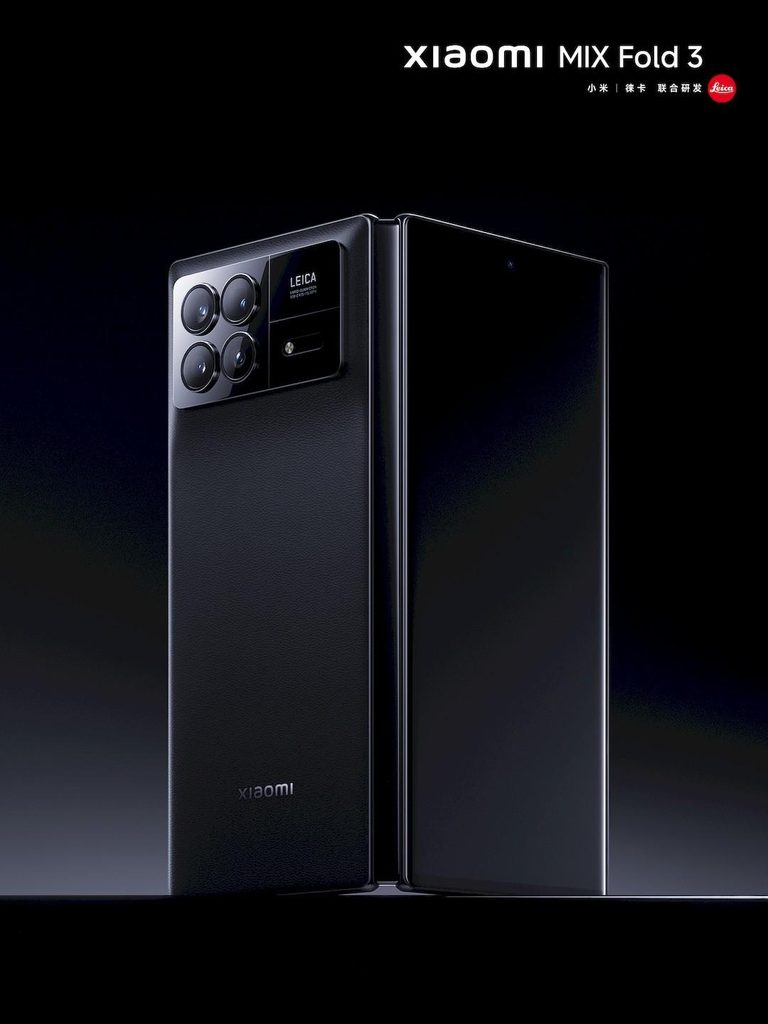
Just days before Apple’s event, Xiaomi and Huawei introduced new flagship foldables. Xiaomi’s 18 Fold is priced at 10,999 yuan, while Huawei’s Mate XT2 trifold carries a 19,999-yuan price tag.
That puts Apple’s iPhone Duo directly between the two on price.

Apple still has a powerful position
Despite the price concerns, Apple remains a major player in China’s premium smartphone market.
According to Counterpoint data cited in the report, Huawei led China’s smartphone market in both the first and second quarters, with Apple ranking second, followed by Vivo and Oppo.
Globally, Samsung has also regained a narrow lead over Apple in smartphone shipments, while Xiaomi remains among the world’s largest smartphone manufacturers.
The competition becomes even more interesting in foldables.
Samsung is expected to maintain a strong position in the category, while Apple is entering with the advantage of its enormous ecosystem and loyal customer base.
But brand loyalty may not be enough in China, where consumers have multiple high-end foldable options to choose from.
Key Numbers
| Metric | Figure |
|---|---|
| iPhone Duo China price | 15,999 yuan |
| Approx. U.S. equivalent | $2,230 |
| Xiaomi 18 Fold | 10,999 yuan |
| Huawei Mate XT2 | 19,999 yuan |
| Greater China share of Apple’s revenue | Around 17% |
| Apple iPhone Duo pre-orders | October 16 |
| iPhone Duo sales begin | October 23 |
Price comparison
The chart you supplied shows the iPhone Duo at 15,999 yuan, making it the most expensive conventional book-style foldable in this comparison.
- Apple iPhone Duo — 15,999 yuan
- Samsung Galaxy Z Fold8 — 12,999 yuan
- Huawei Pura X Max — 10,999 yuan
- Xiaomi 18 Fold — 10,999 yuan
- OPPO Find N6 — 9,999 yuan
- vivo X Fold6 — 7,999 yuan
Huawei’s Mate XT2 is excluded from this particular comparison because it is a trifold, rather than a conventional book-style foldable.
Why It Matters
Apple’s entry could significantly change the global foldable-phone market.
The company has enormous influence over premium smartphone trends, and an Apple foldable could accelerate consumer interest in the category in markets where foldables have remained a niche product.
But China presents a different challenge.
Chinese smartphone companies have already developed sophisticated foldable hardware and have competed aggressively on price.
Apple therefore has to prove that the iPhone Duo offers enough advantages — from software and durability to ecosystem integration and overall user experience — to justify its premium.
The issue is particularly important because Greater China accounts for around 17% of Apple’s total revenue.
A weak reception to the company’s first foldable could therefore become more than just a product problem.
What Happens Next
Apple’s iPhone Duo is scheduled to open for pre-orders on October 16, with sales beginning October 23.
The real test will come after consumers can purchase and use the device.
Early social-media reactions provide useful signals, but Apple’s long-term success will depend on several factors:
- Whether consumers consider the design worth the premium
- How durable the folding display proves to be
- Battery life and camera performance
- How well iOS is optimized for the larger foldable display
- Whether Apple’s ecosystem creates enough additional value
- How aggressively Huawei, Xiaomi and Samsung respond
The eSIM issue could also matter in mainland China. Some users have expressed concerns about the lack of a physical SIM-card slot and the activation process that may require carrier-store verification.
The TechBrass Take
Apple is late to foldables — and China is probably the hardest place to make that late arrival work.
The iPhone Duo has one major advantage that its competitors cannot easily replicate: Apple’s ecosystem.
But hardware alone will not justify a premium of several thousand yuan over competing foldables.
For Apple, the first generation does not necessarily need to dominate the market. It needs to convince consumers that the company’s approach to foldables is mature enough to become the next major iPhone category.
The bigger question is whether Apple can turn its traditional “pay more for the Apple experience” strategy into something consumers are willing to accept in a market where Huawei, Xiaomi, Oppo and Vivo have already spent years refining foldable phones.
If Chinese consumers decide the iPhone Duo is simply too expensive for what it offers, Apple’s first foldable could face a difficult road.
But if the device delivers a noticeably better combination of software, hardware, durability and ecosystem integration, Apple could still use its first foldable to reshape the premium smartphone market.
The iPhone Duo is not entering an empty market. It is entering a battlefield.