
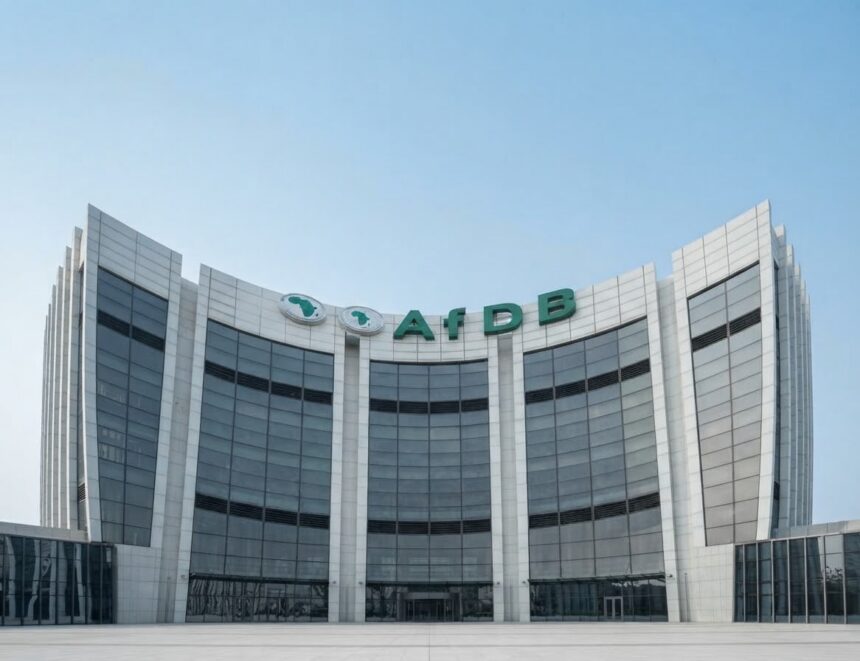
Nigeria and the African Development Bank (AfDB) have agreed to review the country’s $6.2 billion development project portfolio in a move aimed at identifying implementation challenges, speeding up project delivery and ensuring that ongoing investments align with the Federal Government’s development priorities.
The agreement could have important implications for Nigeria’s infrastructure, digital transformation, energy supply, agriculture and economic development. However, the central challenge is not simply securing development financing. It is ensuring that approved funding translates into completed projects, better public services and tangible economic opportunities.
The joint review was agreed on October 12, 2026, when Nigeria’s Minister of Finance and Coordinating Minister of the Economy, Taiwo Oyedele, met AfDB President Sidi Ould Tah in Bangkok, Thailand, on the sidelines of the 2026 IMF and World Bank Group Annual Meetings.
For technology enthusiasts, businesses and entrepreneurs, the development also raises an important question: how can better project management, digital monitoring and transparent reporting help ensure that large development investments deliver measurable results?
This TechBrass report examines the proposed review, the sectors involved, the potential economic impact and the role technology could play in improving project delivery.
What Is Behind Nigeria’s $6.2 Billion AfDB Portfolio Review?
The African Development Bank is a multilateral development finance institution that supports economic and social development across African countries. Its financing can support infrastructure, agriculture, energy, water, healthcare, education and private-sector development.
Nigeria’s $6.2 billion portfolio represents a substantial collection of development operations rather than a single project or a new cash payment to the government. The bank’s 2025 Country Portfolio Performance Review documented a portfolio spanning multiple sectors and locations across the country.
The new agreement focuses on examining the implementation of these investments and identifying practical ways to improve their delivery.
Why the review matters
A development project can receive approval and financing commitments yet still encounter difficulties before it produces results.
Common challenges include:
Delays in procurement and contractor selection.
Difficulties securing required counterpart funding.
Slow release or disbursement of project funds.
Weak coordination between government agencies.
Land acquisition and infrastructure constraints.
Delays in obtaining permits and regulatory approvals.
Inadequate monitoring of project milestones.
These are recognised challenges in development-project implementation. The AfDB’s published review of Nigeria’s portfolio has also highlighted implementation and disbursement constraints affecting projects.
The joint review is intended to identify where such obstacles exist and determine what corrective action may be needed.
How the $6.2 Billion Portfolio Could Affect Nigeria’s Economy
The potential impact of the review extends beyond government finance. Successful project delivery can influence business operations, public services, employment opportunities and the development of critical infrastructure.
1. Infrastructure development and transportation
Transport infrastructure helps connect businesses with suppliers, workers and customers. Road improvements, transport links and other infrastructure investments can reduce logistical difficulties and improve access to markets.
For small businesses, better transport infrastructure can make it easier to move products between cities and reach customers in previously difficult-to-access locations.
However, these benefits depend on projects progressing beyond approval and financing into construction, completion and effective maintenance.
2. Energy and electricity infrastructure
Reliable energy is essential for manufacturing, telecommunications, digital services and many other commercial activities.
Development investments in the energy sector can support efforts to improve infrastructure and expand access to reliable power, depending on the projects involved.
For example, a small technology company that experiences frequent electricity interruptions may need to spend more on backup power and equipment maintenance. Better electricity infrastructure could reduce some of these costs and help the business operate more consistently.
The specific benefits of Nigeria’s AfDB portfolio will depend on the scope, location and completion of the relevant energy projects.
3. Agriculture and food production
Agriculture remains an important part of Nigeria’s economy. Investments that improve water access, agricultural infrastructure, processing capacity and market connections can help farmers and agribusinesses operate more efficiently.
Better rural infrastructure can also help producers transport goods to markets while reducing losses associated with delays and inadequate storage.
For entrepreneurs, stronger agricultural infrastructure may create opportunities in food processing, logistics, digital agriculture and supply-chain management.
4. Healthcare, education and public services
Development finance can also support public services that affect everyday life.
Depending on individual project objectives, investments in healthcare and education may improve facilities, access to essential services and the availability of supporting infrastructure.
The value of these investments should ultimately be measured by the results they deliver, not only by the amount of money committed or disbursed.
The Role of Technology in Improving Development Project Delivery
One of the most important opportunities arising from the review is the potential for better use of technology in project planning, monitoring and accountability.
Digital tools cannot eliminate every implementation challenge. Nevertheless, well-designed systems can help project managers identify delays, improve coordination and provide more reliable information to decision-makers.
Digital project management systems
Large development programmes often involve government ministries, contractors, financial institutions, consultants and implementing agencies.
Without effective coordination, information may become fragmented across different organisations and reporting systems.
A digital project management platform can bring key information into one place, including:
Project budgets and approved funding.
Procurement milestones and contract status.
Construction schedules and delivery deadlines.
Financial disbursements and expenditure reports.
Implementation risks and outstanding issues.
Responsibilities assigned to individual agencies or contractors.
For example, if a road project misses a procurement deadline, a shared monitoring platform could flag the delay and notify the responsible officials. Project managers could then investigate the cause and determine the next steps.
The proposed Nigeria–AfDB review has not, by itself, confirmed the adoption of a particular digital platform. These examples illustrate how technology could support the broader objective of accelerating delivery.
Real-time monitoring and digital reporting
Digital reporting systems can help officials compare planned milestones with actual progress.
Depending on the project, monitoring tools might use field reports, geotagged photographs, financial records and updated construction schedules to track implementation.
A central dashboard could help authorised officials identify projects that are progressing as planned and those requiring intervention.
However, digital monitoring is only useful when the underlying information is accurate, regularly updated and independently checked where necessary.
Data analytics for better decisions
Data analytics can help governments and development partners identify recurring implementation problems across a portfolio of projects.
For instance, officials could compare procurement timelines, disbursement patterns and completion rates to determine whether certain processes consistently contribute to delays.
This analysis could help institutions:
Identify common bottlenecks.
Prioritise projects requiring urgent attention.
Allocate technical support more effectively.
Improve future project planning.
Measure whether corrective actions produce results.
Such an approach could help shift project oversight from retrospective reporting towards earlier identification of problems.
Transparency, cybersecurity and accountability
Digital systems can improve access to project information, but they also introduce responsibilities.
Development institutions and government agencies must protect sensitive financial and operational data, control access to project records and maintain reliable audit trails.
Public-facing reporting should also distinguish between approved financing, funds actually disbursed, money spent and projects completed.
These figures represent different stages of implementation. Clear reporting can help businesses, journalists, researchers and citizens understand what development funding has achieved.
What the Review Means for Businesses and Entrepreneurs
The outcome of the review could matter to businesses that depend on public infrastructure, government contracts or development-supported economic programmes.
Opportunities for local businesses
When development projects move forward, they can create demand for goods and services from local suppliers.
Depending on procurement rules and individual project requirements, potential opportunities may include:
Construction materials and engineering services.
Information technology and software development.
Telecommunications and connectivity solutions.
Equipment maintenance and technical consulting.
Transportation, logistics and supply-chain services.
Agricultural processing and storage.
Project monitoring and professional services.
Small and medium-sized enterprises should monitor official procurement notices and development-partner announcements rather than assume that a financing commitment automatically creates an available contract.
Opportunities for technology startups
Technology companies could help address practical problems encountered in large development programmes.
For example, a Nigerian startup could develop software that helps contractors track project milestones, manages equipment inventories or generates progress reports for authorised stakeholders.
Another business could offer geographic information system (GIS) tools to map infrastructure projects and compare reported progress with field observations.
These are potential business opportunities, not confirmed contracts arising from the review. Any solution would need to meet the relevant procurement, technical, security and regulatory requirements.
The Main Challenges Nigeria and AfDB Must Address
The review’s effectiveness will depend on whether it leads to clear decisions, accountable implementation and measurable progress.
1. Turning financing commitments into completed projects
A large portfolio can appear impressive on paper, but its economic value depends on the delivery of actual infrastructure and services.
The two parties will need to identify which projects require intervention and establish practical steps to resolve the issues affecting them.
2. Improving coordination between institutions
Development projects often involve multiple public institutions with different responsibilities.
If agencies do not coordinate procurement, approvals, budgets and implementation schedules effectively, even well-funded projects can experience delays.
Clear responsibilities and regular progress reviews can help reduce these problems.
3. Addressing procurement and disbursement delays
Procurement processes must support transparency, competition and compliance while allowing projects to progress within reasonable timelines.
Likewise, disbursement arrangements must enable eligible project expenditure to be funded when required.
The challenge is to improve efficiency without weakening financial controls or accountability.
4. Measuring outcomes, not just spending
A project should not be considered successful simply because its budget has been spent.
Officials should also examine whether it has achieved its intended purpose. For example:
Did a completed road improve access to the communities it was designed to serve?
Did an electricity project improve power availability for its intended users?
Did an agricultural programme provide the planned support to farmers?
Did a digital public-service project improve access or reduce processing delays?
These questions help connect financial commitments with practical outcomes.
5. Maintaining projects after completion
Infrastructure requires ongoing maintenance, staffing and operational funding.
A project may be completed successfully but lose value if the responsible institution cannot maintain it or provide the resources needed to operate it.
Long-term planning should therefore account for maintenance and sustainability, not just initial construction costs.
Nigeria and AfDB: What Happens Next?
The immediate priority is to turn the agreed review into an actionable programme.
Nigeria’s Ministry of Finance and the African Development Bank will need to assess implementation challenges and determine where interventions can help ongoing projects progress more efficiently.
The two parties also agreed to prepare an official visit to Nigeria by AfDB President Sidi Ould Tah to discuss development financing and cooperation with government officials and other stakeholders.
Several indicators will help observers assess whether the process is delivering results:
Clear identification of delayed projects: Are the main implementation problems documented and assigned to responsible institutions?
Improved disbursement: Are funds reaching eligible projects in line with their implementation requirements?
Faster project delivery: Are procurement, construction and completion milestones being met more consistently?
Transparent reporting: Can stakeholders distinguish between commitments, disbursements, expenditure and completed work?
Visible public benefits: Are completed projects improving infrastructure, services and economic opportunities?
These indicators would provide a more meaningful picture of progress than financing figures alone.
For businesses and technology professionals, following the review could also help identify future developments in infrastructure investment, digital public services and development-sector procurement.
Frequently Asked Questions (FAQs)
1. What is Nigeria’s $6.2 billion AfDB portfolio?
It is the collection of development operations supported by the African Development Bank in Nigeria, spanning multiple sectors and locations. It is not a single project or a new $6.2 billion cash payment announced under the October 2026 agreement.
2. Why are Nigeria and AfDB reviewing the portfolio?
The joint review is intended to identify implementation bottlenecks, accelerate project delivery and align ongoing operations with the Federal Government’s development priorities.
3. Which sectors could benefit from the review?
The AfDB’s Nigeria portfolio covers areas including transport, energy, water, agriculture, health, education and private-sector development. The benefits of the review will depend on which projects are addressed and how successfully they are implemented.
4. How can technology help accelerate development projects?
Digital project management, data analytics, online reporting and geographic information systems can help authorised teams track progress, identify delays and coordinate implementation. Their effectiveness depends on reliable data, appropriate oversight and consistent use.
5. Will the review create opportunities for Nigerian businesses?
It could create or improve opportunities where projects progress and require goods or services. However, specific contracts and procurement opportunities depend on individual projects, eligibility requirements and official tender processes.
6. Does the $6.2 billion represent money already spent?
No. A portfolio value should not be interpreted as total expenditure or cash already disbursed. Financing commitments, disbursements, expenditure and completed-project values are different measures.
7. When will the review be completed?
The public announcement establishes an agreement to conduct a joint technical review, but the sources cited here do not establish a confirmed completion date. Any timetable should be confirmed through subsequent official announcements.
Conclusion: Making Development Financing Deliver Real Results
Nigeria’s agreement with the African Development Bank to review its $6.2 billion project portfolio puts renewed attention on an essential development challenge: converting financing commitments into completed projects and measurable public benefits.
The process offers an opportunity to identify implementation bottlenecks, strengthen coordination and improve the delivery of infrastructure and services. It also highlights how digital project management, data analytics and transparent reporting could support better oversight.
For businesses, entrepreneurs and technology professionals, the review is worth watching because more effective project delivery can create opportunities across infrastructure, logistics, agriculture, energy and digital services.
Ultimately, success will depend on what happens after the agreement: whether delays are resolved, projects progress, resources are used responsibly and communities see tangible improvements.
Follow TechBrass for more technology news, business developments and insights into the innovations and investments shaping Nigeria and Africa. Visit techbrass.com to explore more stories.