
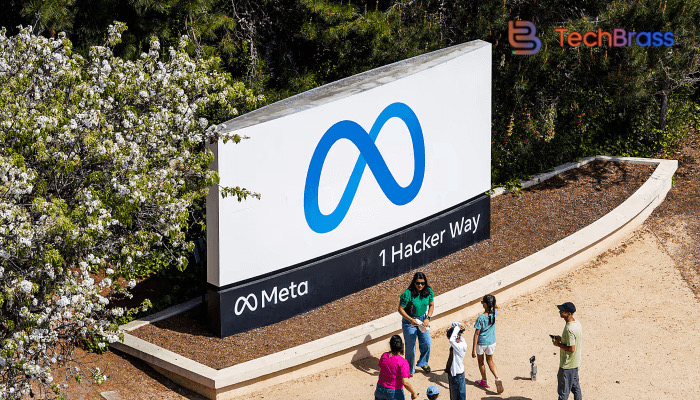
Meta is preparing one of the biggest equity fundraising efforts in its history as it looks to raise up to $95 billion to support its rapidly expanding artificial intelligence infrastructure.
The company has launched approximately $35 billion in common and preferred stock offerings, while also planning a separate share-sale program that could raise another $60 billion once its new Class C shares begin trading. (Reuters)
The move highlights just how expensive the race to build advanced AI has become.
For Meta, the goal is not simply to develop better AI models. The company is investing heavily in the computing capacity, data centers and infrastructure required to run AI services at enormous scale.
Why Is Meta Raising $95 Billion?
Meta is pouring billions of dollars into artificial intelligence as it competes to strengthen its position in the rapidly evolving AI industry.
The company says the new capital will support continued investment in its infrastructure and compute capacity, as well as its broader AI ambitions. (The Information)
That includes infrastructure supporting Meta’s AI products and services across its ecosystem.
The scale of the fundraising also reflects a broader industry trend: AI development increasingly requires enormous amounts of computing power and capital.
Meta’s Initial $35 Billion Offering
The first part of Meta’s fundraising plan involves approximately $35 billion in public offerings.
This includes:
- About $22.5 billion in Class A common stock
- About $12.5 billion in depositary shares representing Series A mandatory convertible preferred stock
Meta’s preferred stock is structured to eventually convert into common shares under the terms of the offering. (SEC)
Where Would the Other $60 Billion Come From?
Meta also plans to establish an at-the-market (ATM) share-sale program worth up to $60 billion.
Unlike a traditional one-time stock offering, an ATM program allows a company to sell shares in the public market over time.
Meta expects this program to involve its new Class C non-voting common stock and begin after those shares start trading, which is expected in the first quarter of 2027. However, the company has not finalized all of the timing and terms of the program. (Atmeta)
This gives Meta another potential source of capital as its AI spending continues.
Why Does AI Require So Much Money?
Building modern AI systems requires much more than software engineers and algorithms.
Companies need massive amounts of computing infrastructure to train and operate increasingly sophisticated AI models.
That infrastructure can include:
- Advanced AI chips
- Data centers
- Servers and networking equipment
- Cloud computing capacity
- Energy infrastructure
- Cooling systems
- Data storage
- Specialized AI hardware
For a company the size of Meta, these requirements become even larger because its AI services can potentially reach billions of users.
Meta Is Not Alone in the AI Spending Race
The fundraising comes as major technology companies continue making enormous investments in AI infrastructure.
Meta is competing for access to the same critical resources as other AI companies, including advanced processors and data-center capacity.
Interestingly, Nvidia, AMD and Broadcom have indicated interest in purchasing up to $5 billion of Meta’s Class A shares collectively, according to Meta’s announcement. (Atmeta)
That creates an interesting relationship within the AI ecosystem.
Chip manufacturers supply the hardware that companies such as Meta need to build AI infrastructure. At the same time, some of those suppliers may become investors in the companies buying their technology.
What Does This Mean for Meta?
For Meta, raising additional capital could give the company more flexibility as it expands its AI infrastructure.
The company is effectively betting that today’s enormous AI investments can create significant value over the long term.
That value could come from several areas, including:
- AI assistants and agents
Meta is developing AI products designed to interact directly with consumers. - Advertising
AI can help improve advertising targeting, recommendations and content creation. - Social platforms
AI can influence how users discover, create and interact with content across Meta’s apps. - Computing infrastructure
Additional capacity can support Meta’s growing AI workloads.
The challenge is that these investments require substantial capital before the eventual returns are fully known.
What Does the Fundraising Mean for Meta Shareholders?
Raising money through new shares can have implications for existing shareholders because issuing additional equity can increase the number of shares outstanding.
However, Meta’s planned Class C structure is designed to provide a non-voting equity security that can be used to raise capital without directly diluting the voting power attached to existing Class A and Class B shares. (SEC)
That distinction is particularly important because Meta CEO Mark Zuckerberg and other insiders retain significant voting influence through the company’s existing share structure.
The new structure gives Meta another way to raise capital while maintaining that voting framework.
The Bigger Question: Can AI Spending Pay Off?
The biggest question surrounding Meta’s strategy is not whether the company can raise billions.
It is whether the AI investments will generate enough long-term value to justify their enormous cost.
Meta already has a huge digital advertising business that can help finance its technology investments. However, the company is now committing substantial resources to infrastructure whose returns may take years to fully develop.
That makes the next phase of the AI race particularly important.
The companies spending the most today are effectively betting on what the technology market will look like several years from now.
What Meta’s $95 Billion Plan Says About the AI Industry
Meta’s fundraising strategy sends a broader message to the technology industry.
AI is becoming an infrastructure race.
Having a powerful AI model is only part of the equation. Companies also need enough computing power to train, operate and scale those systems.
That is why companies are competing for:
- AI chips
- Data-center capacity
- Electricity
- Capital
- Engineering talent
- Cloud infrastructure
The result is a technology industry where financial strategy and technical strategy are becoming increasingly connected.
What Happens Next?
Meta’s immediate focus will be on executing its initial stock offerings and preparing for the larger Class C share-sale program.
The company expects the new Class C shares to begin trading in the first quarter of 2027, after which the planned ATM program could provide Meta with another potential source of capital. (Atmeta)
Investors and technology companies will be watching closely to see whether Meta’s aggressive AI spending translates into stronger products, increased revenue and a meaningful competitive advantage.
The outcome could influence how other major technology companies approach their own AI investments.
Frequently Asked Questions
Why is Meta raising $95 billion?
Meta plans to raise up to $95 billion through equity offerings to support its AI infrastructure, computing capacity and broader business and AI initiatives. (Reuters)
Is Meta receiving the full $95 billion immediately?
No. The plan consists of different fundraising mechanisms. Meta has launched approximately $35 billion of public offerings, while the additional $60 billion would come through a future at-the-market share-sale program. (Quartz)
What is Meta using the money for?
The capital is intended to support Meta’s continued investment in AI infrastructure and computing capacity, alongside its broader corporate and AI initiatives. (Atmeta)
What are Meta’s Class C shares?
Meta’s Class C shares are designed as a non-voting class of common stock that the company can use for capital raising and other corporate purposes without directly diluting the voting power of its existing Class A and Class B shares. (SEC)
Why are Nvidia, AMD and Broadcom interested in Meta’s shares?
The three chip companies have indicated interest in purchasing up to $5 billion of Meta’s Class A shares collectively. Their potential investments illustrate the close financial relationship developing between AI infrastructure suppliers and the companies buying their technology. (Reuters)
Conclusion
Meta’s plan to raise up to $95 billion shows that the AI race is moving far beyond software.
The company is preparing to commit enormous amounts of capital to the infrastructure needed to power its AI ambitions, while creating new ways to raise money without directly changing the voting control of its existing share classes.
For businesses, investors and technology professionals, the message is clear: the next phase of AI will be shaped not only by who builds the smartest technology, but also by who can afford to build and operate the infrastructure behind it.