
Somewhere in a boardroom this week, a CEO had to choose between two words. One has been in every tech deck since 2023. The other came with a presidential endorsement.
The super intelligence rebrand just got its first real test, and it happened on earnings calls, where every word is read by investors, analysts and now political observers.
What Happened
Last month, Trump ordered that “super intelligence” replace the term artificial intelligence within executive branch agencies. A month later, CNBC checked who followed.
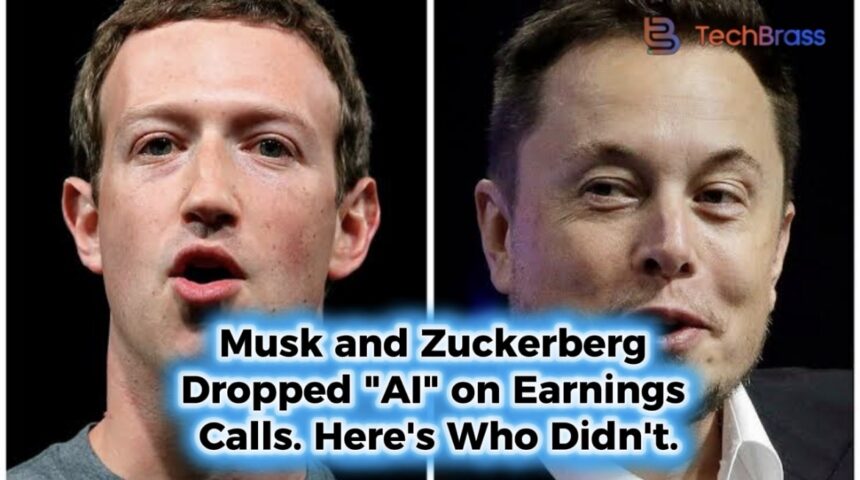
Elon Musk and Mark Zuckerberg adopted the term on their third-quarter earnings calls, while the CEOs of Microsoft, Amazon and Alphabet stuck with “AI.”
Quick Poll: Be Honest
Did you notice any of this? Most of us didn’t. A rebrand is only a big deal if it changes what people say, and what they build.
What the Order Actually Does
Less than the headlines imply. The order covers official, non-statutory communications and leaves existing laws, regulations, contracts and grants unchanged. So far, it’s mostly vocabulary.
Not Everyone Is Defying Anyone
CNBC itself cautions against reading the “AI” holdouts as open defiance. IBM’s Arvind Krishna, who didn’t attend Trump’s September lunch, used “SI” alongside “AI” on his earnings call.
Meanwhile, the Zuckerberg case is more complicated than it looks. A Meta spokesperson said he was using the term before Trump, pointing to a July 2025 essay titled “Personal Superintelligence.” In other words, Trump may have adopted Meta’s language, not the other way around.
The Musk Move
Musk went further. He announced a rebrand of SpaceXAI to SpaceXSI, writing that SI is better than AI. He also shared Nick Bostrom’s book Superintelligence with the caption “It always was.”
It would be the company’s second identity change in about three months. That’s a lot of business cards.
Imagine This (Hypothetical)
Picture a CEO who calls it “AI” on the earnings call and gets asked about it by a reporter. Is that a political act? A branding preference? Or just habit? That’s the awkward part of a vocabulary test: any answer sounds like a statement.
Why Words Matter (and Why They Might Not)
The case that it matters: Supporters of the new term say it better reflects where the technology is heading and signals American leadership. Language shapes how the public and regulators think about a technology.
The case that it’s mostly marketing: Critics say the label implies capabilities the technology may not have yet. Gizmodo argued that executives using the term in serious company would need to clarify what they actually mean. One cybersecurity executive made a related point: whatever it’s called, growing capability increases the need for control.
Both camps have a point. A name can be a signal, or it can be a sticker.
What This Means for You
- Businesses: Expect “super intelligence” to show up in vendor pitches. Ask what actually changed in the product.
- Job seekers and students: Keywords matter in resumes and search. Use both terms for now.
- Everyday users: Nothing changes in your apps today. Watch for new labels, not new features.
FAQs
Did Trump’s order change the law?
No. It directs agencies on official, non-statutory language, not on legislation.
Is “super intelligence” a technical term?
It’s used by researchers and companies, but there’s no single agreed definition, and it isn’t the same as the AI products people use today.
Which companies use the new term?
Per CNBC, Musk’s companies and Meta, while Microsoft, Amazon and Alphabet’s CEOs kept saying AI. Others, like IBM, are using both.
The Bottom Line
This week’s story isn’t really about vocabulary. It’s about who is willing to change their words, and whether that signals alignment, strategy or just a good slogan.
Is “super intelligence” an honest upgrade in how we describe this technology, or just a shinier label for the same product? Tell us below, and follow TechBrass for the next twist in the AI naming wars.